Discover Roof Lanterns
Contemporary Roof Lanterns: An Excellent Mix of Visual Appeal and Performance
Modern roof lanterns serve as a striking intersection of aesthetic appeal and practical advantage. They boost natural brightness in living areas while furthering energy conservation. Considering varied styles and materials obtainable, homeowners can identify selections that suit their individual desires and necessities. Nonetheless, the selection procedure can be complicated. Recognizing how to determine and position the right lantern can deliver a significant difference in both appearance and operability.
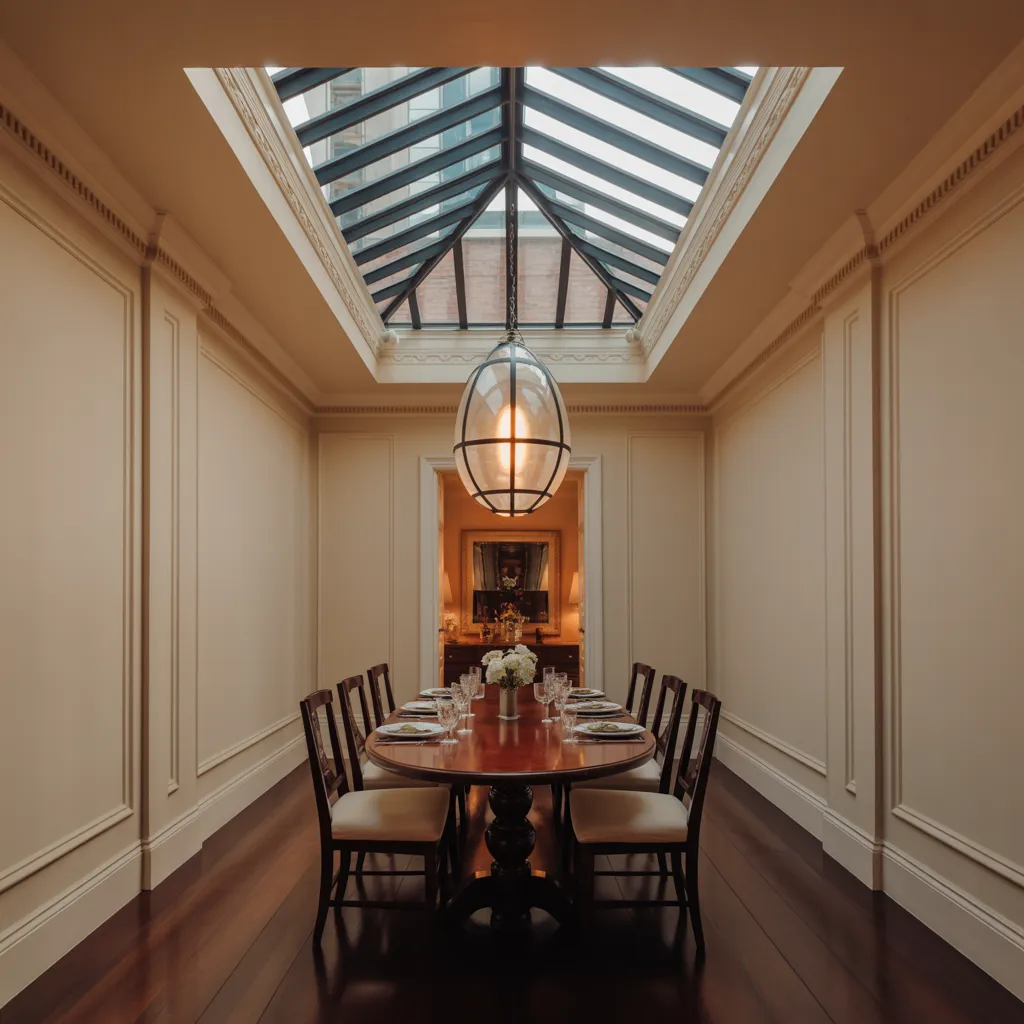
Roof Lanterns: Lighting Your Space While Conserving Energy
A growing number of homeowners are uncovering the way roof lanterns can substantially boost natural light in their spaces while advancing energy efficiency. These architectural features enable light to reach further into interiors, reducing reliance on artificial lighting during the day. As a result, homes become brighter and more appealing, creating a warm atmosphere for get-togethers and daily activities.
In addition, roof lanterns can substantially support energy efficiency. By capturing sunlight, they reduce electricity bills and lessen the carbon footprint. Enhanced daylight also helps with controlling indoor temperatures, minimizing the need for heating and cooling systems.
The optimal positioning of roof lanterns can enhance light distribution, confirming balanced brightness throughout the room. With diverse designs available, homeowners can integrate these features into their existing architecture with ease, enabling for a harmonious mix of aesthetics and functionality. Ultimately, roof lanterns represent a sustainable choice for modern living spaces.
Picking the Appropriate Style for Your Home
Choosing the right style of roof lantern is important for boosting a home's visual appeal. Harmony with the architectural style and careful thought of material and finish options can significantly affect the overall look and feel. Thoughtful selections in these areas ensure that the roof lantern enhances the existing design while offering functional advantages.
Building Style Consistency
Selecting the right architectural style for a roof lantern can considerably boost the overall appearance of a dwelling. It is critical to ensure compatibility with existing architectural elements; for instance, a minimalist lantern fits contemporary designs, whereas ornate styles suit traditional homes. Victorian or Edwardian buildings gain decorative lanterns that mirror their historical details, crafting a cohesive look. In contrast, a sleek roof lantern suits modern constructions, emphasizing clean lines and open areas. Bungalows or craftsman-style houses often prefer lanterns that incorporate natural materials and simpler shapes, matching their earthy charm. Ultimately, selecting a roof lantern that fits the home's overall design not only elevates its look but also reinforces architectural coherence and character.
Material and Finish Preferences
While exploring material and design options for roof lanterns, homeowners must think about how these choices impact both visual appeal and performance. Common materials include aluminum, timber, and uPVC, each offering unique benefits. Aluminum is lightweight and corrosion-resistant, rendering it a long-lasting option for modern designs. Timber, while beautiful and inviting, demands regular maintenance to maintain its appearance. uPVC offers a cost-effective option, offering low maintenance without compromising on style.
Finish choices, such as powder coating or anodic treatment for aluminum, strengthen durability and permit for various color selections. Wood treatments can vary from natural stains to painted surfaces, presenting flexibility. Ultimately, determining the right material and finish not only enhances the roof lantern's aesthetic value but also assures durability and effectiveness in any home context.
Critical Directions for Placing Your Roof Lantern
Installing a roof lantern can transform a space, flooding it with natural light and enhancing its overall appearance. To guarantee a successful installation, careful planning is necessary. First, assess the structural integrity of the roof to bear the lantern's weight. Next, select the appropriate dimensions and design that matches the existing architecture.
gather all necessary tools and materials prior to installation. Proper sealing is essential to avoid leaks; apply premium silicone or flashing tape along the edges. It is recommended to work with a partner, as managing large panels can be difficult. Additionally, verify that the lantern is properly aligned with the roof's pitch to enable drainage.

Finally, examine the arrangement of electrical cables if integrating lighting. Adhering to these tips will lead to a well-installed roof lantern that improves both light and style, creating a welcoming atmosphere in any space.
Caring for Your Roof Lanterns: Tips for Enduring Results
Maintaining roof lanterns is necessary for securing their long life and optimal performance. Routine cleaning is essential; dust and debris can block light and alter appearance. Homeowners should apply a soft cloth and a gentle glass cleaner to avoid scratching the surface. Periodic inspection of seals and joints helps prevent leaks that could damage the interior. If any wear is noticed, timely repairs can prevent expensive replacements later on.
Furthermore, ensuring adequate drainage around the lantern avoids water accumulation, which can result in damage to the structure. During changing seasons, inspecting for any loose fittings or structural integrity is advantageous. It's also advisable to trim surrounding foliage to minimize debris buildup. Finally, thinking about professional maintenance every few years can provide a thorough inspection and upkeep that guarantees the roof lantern remains a functional and beautiful feature of the home for years to come.
Encouraging Transformations With Roof Lanterns
How can roof lanterns transform a space into a breathtaking focal point? These architectural features enhance both visual appeal and functionality, allowing natural light to flood interiors while establishing a sense of spaciousness. By introducing a roof lantern, homeowners can significantly improve the ambiance of living areas, kitchens, or even hallways.
The modern designs offered now accommodate different design preferences, from sleek minimalism to ornate traditionalism. This flexibility indicates roof lanterns can blend effortlessly into any home, reflecting personal style while increasing property worth.
Together with their visual appeal, roof lanterns provide practical benefits. They improve ventilation and lower dependence on artificial lighting, fostering an eco-friendly living environment.
Ultimately, the strategic arrangement of a roof lantern can ignite changes that shift standard areas into exceptional environments, making them not just functional, but also enchanting places where families can gather and create lasting memories.
Common Errors to Steer Clear Of When Selecting Roof Lanterns
Deciding on the optimal roof lantern can significantly affect the general success of the transformation determined by these architectural features. A common pitfall is overlooking dimensions; an excessively large lantern can dominate a space, while one that is inadequate may fail to provide proper light. What's more, many overlook the value of material selection. Picking poor-quality materials can trigger issues with durability and power description efficiency.
A common mistake is overlooking the character of the original design. A roof lantern that conflicts with the home's style can disrupt design cohesion. Moreover, neglecting to account for the angle and location can result in poor natural light during specific times of day. In conclusion, neglecting to hire professionals or depending on DIY methods can cause faulty installation, undermining both aesthetics and functionality. By avoiding these pitfalls, homeowners can ensure their roof lanterns improve their homes effectively.
Often Raised Questions
Can Roof Lanterns be Installed on Flat Roofs?
Roof lanterns are indeed suitable for level roof surfaces. They provide natural light and ventilation, enhancing the visual appeal of the space while ensuring proper water drainage and structural integrity, making them a functional choice for such designs.
What Substances Are Roof Lanterns Commonly Built With?
Roof lanterns are typically made from materials like aluminum, uPVC, and glass. These selections guarantee strength, energy efficiency, and aesthetic appeal, allowing for a mix of modern design and useful function in various architectural settings.
Are Roof Lanterns Appropriate for Harsh Winter Conditions?
Yes, roof lanterns may be utilized in cold climates. Adequate thermal protection and high-quality materials guarantee energy efficiency and durability, enabling them to endure harsh weather conditions while delivering natural light and aesthetic appeal.
How Much Do Roof Lanterns Impact the Resale Price of Your Home?
Roof lanterns generally enhance home selling price by improving daylight and visual attractiveness. Potential buyers frequently appreciate the extra design character, rendering properties with such features more desirable in competitive property markets.
Are there energy-efficient options offered for roof lanterns?
Certainly, energy-efficient solutions are accessible for roof lanterns. Many manufacturers provide models featuring dual or triple-pane glass and thermal coatings, which lessen heat loss and enhance overall energy performance in homes.